As Eric Woodward reaches the midpoint of his term as Mayor of Langley Township, questions about his leadership are intensifying. Initially celebrated as a transformative figure, Woodward’s tenure has become synonymous with controversy and internal discord. Now we are looking at the very real prospect that Woodward’s tenure will end after just one term. Let us break down the not-so-high lights of his first two years in office:
Controversial Policies and Decisions
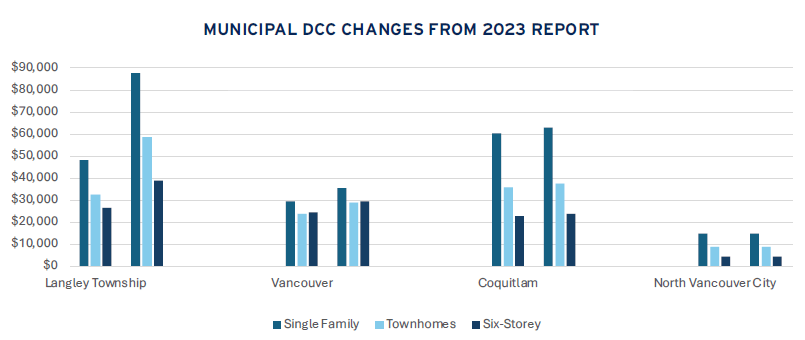
Woodward’s administration is facing criticism for several contentious policies. His significant increases in Development Cost Charges (DCCs) have been labeled a “secret housing tax,” saddling young families with extra costs and worsening housing affordability. The move has slowed townhouse building further exacerbating the affordability crisis which is already crushing working people who form the economic backbone of the Township.
Additionally, we have already raised concerns about governance ethics. Woodward has appointed allies to key municipal positions. Woodwardians argue that these appointments ensure efficiency, the rest of us see them as a troubling sign of consolidation of power.
Worse still, a personal associate of Woodward has offered developers approval ‘consulting’ services, leading to a sense of unequal treatment in what is supposed to be an impartial process that’s meant to serve the interest of the public. In a similar vein, his administration decided to sole-source a multi-million dollar purchase of fire trucks without a competitive bidding process.
Internal Strife Within the Council
Woodward’s leadership style has increasingly alienated publicly-elected members of the Township Council who at any point disagree or do not do and say as he wishes. Rushed votes, limited debate, and unilateral decision-making has strained relationships among elected officials to the point of legal actions being taken by some against Woodward. A particularly controversial moment occurred when Councillor Rob Rindt cast a decisive vote on a business application, leading to accusations of a potential conflict of interest.
This tension within the council has created an environment of uncertainty and instability. Sources indicate that some of Woodward’s closest allies are growing concerned about their own re-election prospects. They now face a critical choice: remain aligned with an increasingly controversial figure or distance themselves in an attempt to salvage their political futures. Some have already put an exit strategy in place. Misty Van Popta, for example, has secured a second role as an MLA, giving her a convenient way to step away from the council if political tensions continue to rise. Unlike others who will have to defend their records, Van Popta can make a clean break if needed, avoiding the fallout of the turbulent Woodward administration.
Comparing Woodward’s Leadership to Other Mayors
Compared to past mayors of Langley Township, Woodward’s leadership style stands out as particularly combative and divisive. While he has positioned himself as a disruptor, past Township mayors have taken more pragmatic and collaborative approaches to leadership.
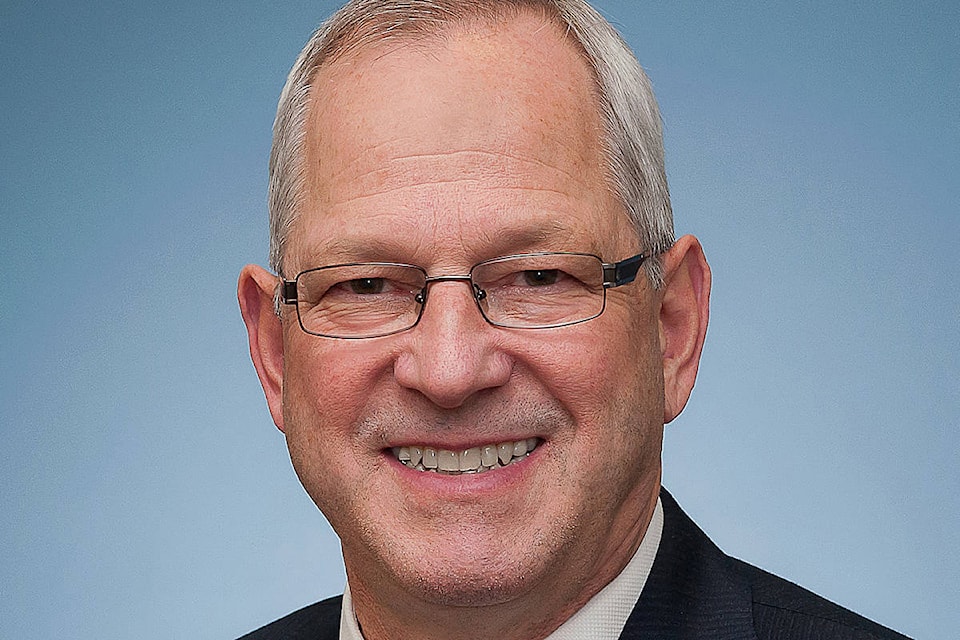
Jack Froese, mayor from 2011 to 2022, was known for his steady, consensus-building leadership, prioritizing managed growth and economic stability. Froese worked collaboratively with council members and stakeholders, ensuring that policy decisions were guided by long-term planning rather than reactionary politics. His leadership helped Langley Township maintain stability and responsible growth throughout his tenure, in stark contrast to Woodward’s confrontational and divisive approach.

Beyond Langley, mayors such as Richard Stewart of Coquitlam and Malcolm Brodie of Richmond have exemplified the importance of coalition-building and consistency. Stewart has balanced development with community interests, fostering long-term stability in Coquitlam, while Brodie has maintained steady governance in Richmond for over two decades, emphasizing collaboration and thoughtful urban planning. Their leadership styles show that municipal success is often rooted in unity and strategic planning rather than confrontation.
In contrast, Woodward’s administration has been marked by discord rather than unity. His combative bullying approach certainly puts his political survival in jeopardy.
The Road to 2026: A Political Crossroads
As the Township’s 2026 municipal election nears, Woodward’s position appears increasingly vulnerable. His aggressive bullying approach to achieving council consensus and tendency to attack critics indicate he is aware of his waning popularity but too stubborn to change course. History shows that mayors who lose the confidence of their councils and constituents rarely, if ever, recover. Woodward won office on promises of change, but his term has been marked by infighting, policy missteps, and governance concerns. If Langley voters see him as part of the problem rather than a solution, the 2026 election could bring an end to his hack political career.







Leave a comment