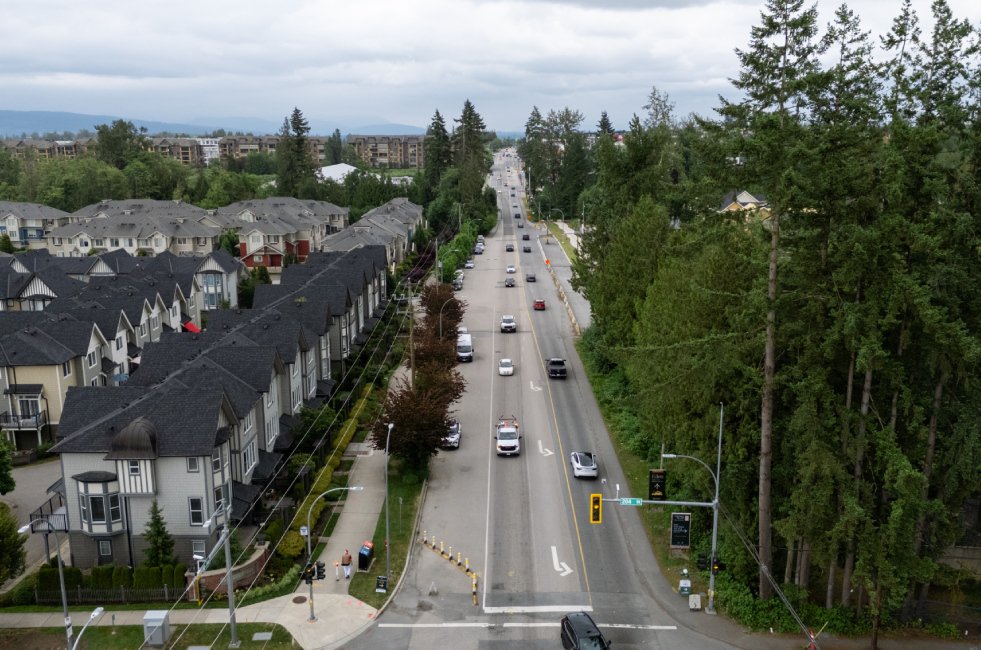
As the housing crisis tightens its grip on Langley and the wider Metro Vancouver region, the implementation of a secret housing tax is adding to the burden—Development Cost Charges (DCCs). Many municipalities grapple with balancing infrastructure funding and housing supply, but Langley Township stands out for all the wrong reasons. According to the latest report from the Homebuilders Association of Vancouver (HAVAN), Mayor Woodward has gotten the Township to have the highest DCC rates across Metro Vancouver.
What is a DCC? A Development Cost Charge is effectively a tax that a homebuilder must pay in exchange for receiving approval to build a new home. In theory, DCCs are supposed to cover only the cost of new infrastructure needed to service the home. But in recent years, some cities like Vancouver and now Langley appear to be using them as a general revenue cash cow, despite the fact that the region has a severe housing shortage and affordability crisis.
The HAVAN report reveals that since June 2023, the Woodward Council hiked DCCs in Langley Township by 81.19% for single-family homes, 79.15% for townhouses, and 46.11% for apartments. In cities that have similarly high rates of growth, like Coquitlam and North Vancouver, DCC increases over the past year have been far more modest—ranging from 4.5% to 20.4%.

The contrast raises questions about whether Langley’s leadership is out of touch with regional trends. These disparities risk deepening Langley’s housing crisis by pushing development to areas with lower fees and adding to the cost of a new home, further skewing housing availability and affordability across Metro Vancouver. Builders, particularly of townhouses, may start to go tools-down on new projects – and the Township risks losing its appeal as a destination for families and young professionals seeking affordable homes.
These hikes are far beyond inflationary trends and have made Langley the most expensive municipality in Metro Vancouver for developers across all three major property types. While DCCs are often framed as a necessary ‘growth pays for growth policy’, Storeys argues they’ve become an opaque tax on housing construction. Like inflation quietly eroding purchasing power, DCCs quietly drive-up costs for developers, who in turn pass those costs on to future homebuyers. Certain local governments rely on raising DCCs as a “less politically dangerous move” than the alternative of raising property taxes.
Mayor Woodward, elected on a platform promising solutions to Langley’s housing woes, now finds himself in a tight spot. The Township’s aggressive adoption of expanded DCC categories—enabled by the provincial government’s 2023 Bill 46—is a key driver of the hikes. The bill allowed municipalities to include costs for fire protection, police facilities, and solid waste infrastructure in DCCs, adding significant new financial burdens on developers.
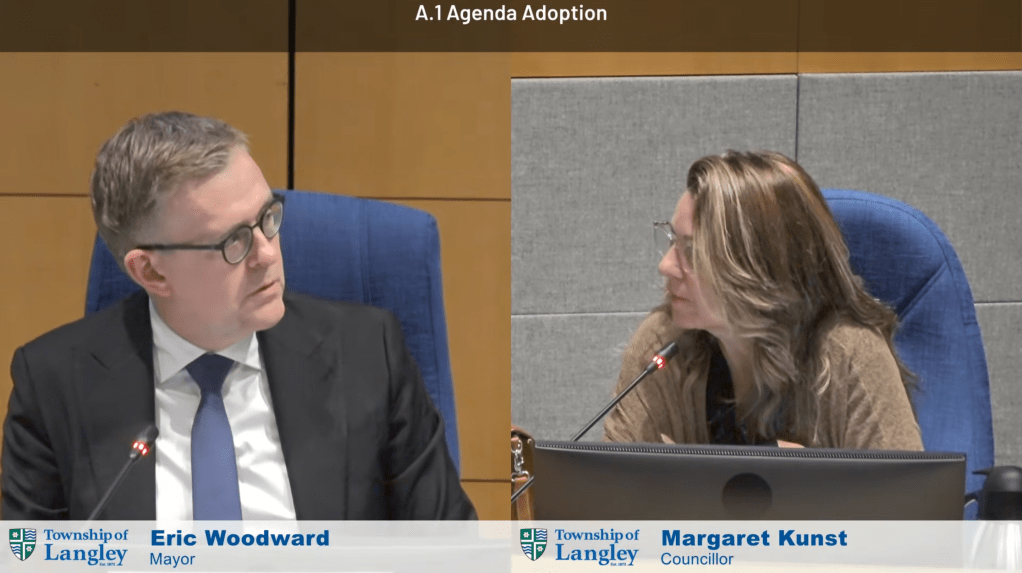
While the province’s intent was to create a more predictable and transparent framework for development fees, the unintended consequence capitalized on by the mayor in Langley is a sharp increase in costs and a chilling effect on new housing starts. In a recent council meeting, Mayor Woodward criticized the provincial government for passing legislation to address the housing crisis. But his eager adoption of the expanded DCC regime under Bill 46 shows that actions and words do not align for Mayor Woodward.
Using data from various municipal government websites and 2021 Census population figures, HAVAN’s report highlights the alarming disparity between Langley Township and other municipalities in the Metro Vancouver region. The chart below shows that, for a single apartment unit, the average DCC in Langley Township is just under $40,000 — 64% higher than the weighted average across municipalities. Townhouse and single home developments fare no better, with the Township having the highest costs across the board.

The findings in the HAVAN report paint a grim picture of Langley’s housing future under the Woodward majority. If the Township continues to rely on ever-increasing DCCs to fund its infrastructure needs, it risks stifling the very growth those charges are meant to support. As HAVAN notes, “Transparency, predictability, and consultation are essential to ensure DCC changes do not undermine housing affordability.”
As the housing crisis continues to dominate headlines, DCCs are emerging as a critical, albeit underreported, factor. In Langley Township, they’ve become a barrier to building the very homes needed to ease the crisis. And while the intent may have been to ensure ‘growth pays for growth’, the reality is that Langley’s growth may soon grind to a halt under the weight of its own policies.
It’s a hidden tax that young families simply can’t afford—and a politically complicated problem to navigate for Mayor Woodward as he searches for revenue streams to pay for heavy spending plans.




 The Langley Monitor
Leave a comment