The Township of Langley has issued a Request for Proposal seeking real estate services to market and sell various Township-owned properties.
A Request for Proposal, or RFP, is the Township’s standard procurement tool for hiring a third-party service provider. In this case, it seems the Township is inviting qualified real estate brokerages to submit proposals describing how they would market the properties, what experience they bring, and what fee or commission structure they would propose. Any eventual sale, the Township notes, would still be subject to Council approval.
The procurement posting instructs proponents to pursue the best possible return. According to the RFP documents available to plan takers, the package includes a table listing the properties and notes rezoning status for some sites.
The posting is explicit about the financial objective. But it appears not to include the public interest rationale that, in many cases, accompanies the disposal of public assets, such as why each property is considered surplus, what alternatives were considered, or how proceeds would be used.
Some of the properties may not be merely leftover or idle holdings. Multiple sites appear to be subject to active rezoning applications or carry designations that may permit more intensive development, including employment lands, apartments, and townhouses. Rezoning and designation can materially affect both land value and future use.
The Township maintains a Property Disposition webpage intended to inform the public about land sales. Currently, that page indicates there are no active property dispositions available. Meanwhile, the Township is soliciting brokers through its procurement system to market and sell Township-owned properties.
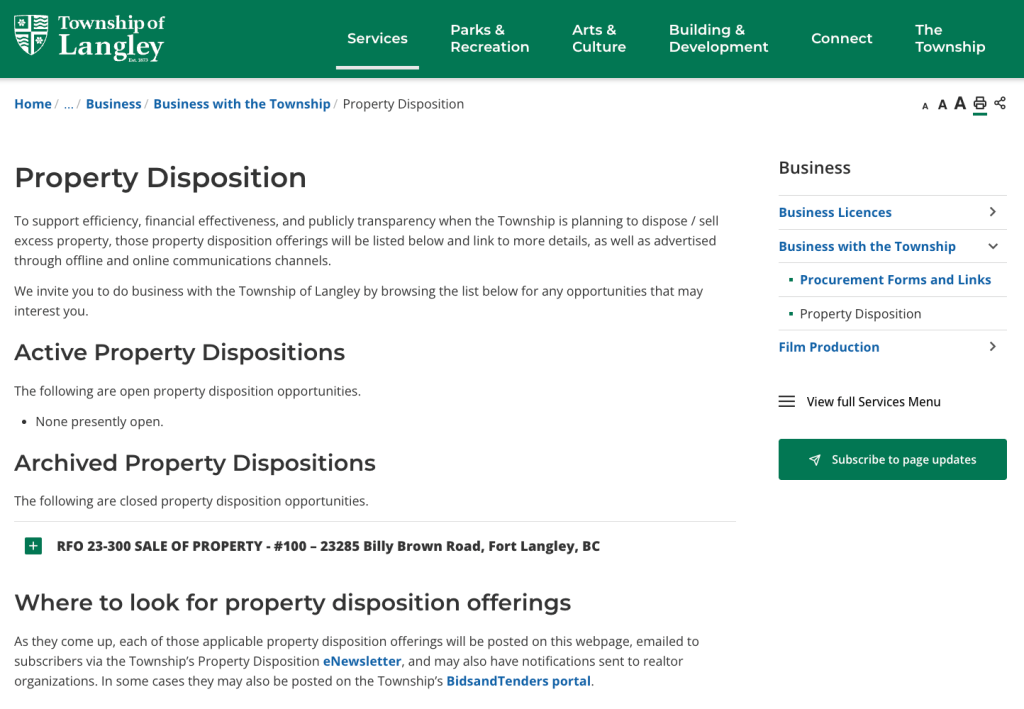
Based on the available information, the market-facing process appears to be moving while the resident-facing channel lists no active dispositions. Residents reviewing the page might conclude that no properties are currently being sold, even as preparations for marketing those lands appear to be underway.
The timing also matters because the Township’s debt and borrowing appears to have grown notably over the past two years. During that period, Council reportedly approved hundreds of millions of dollars in new borrowing authorities. Over the same timeframe, the Township’s audited financial statements indicate a noticeable increase in outstanding debt and related payment obligations.
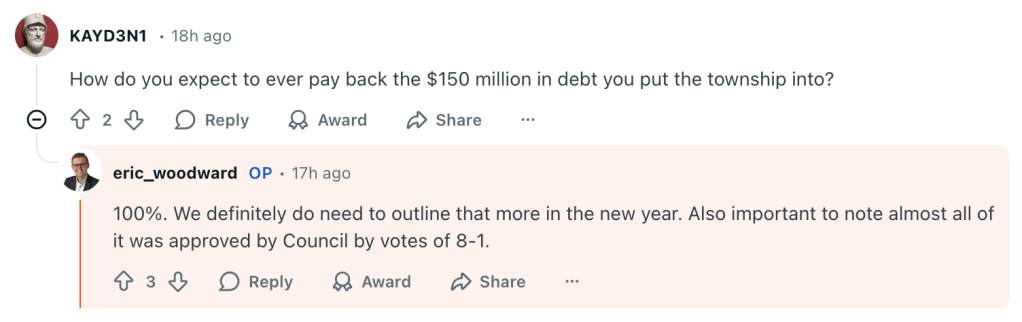
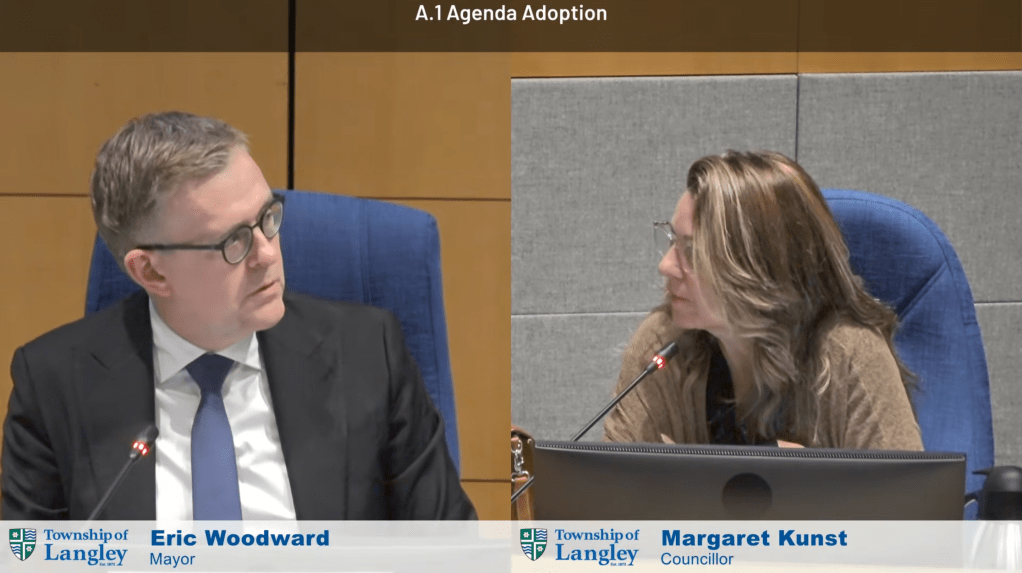
In an online question and answer discussion, Mayor Eric Woodward was asked how the Township expects to pay back its debt. He replied that the Township needs to outline that more in the new year.
Residents might reasonably wonder whether selling Township-owned properties could be intended to offset borrowing or fund commitments financed through debt.
Transparency matters here because public land is a shared asset and the trade-offs are permanent. Clear disclosure early in the process reduces confusion and speculation and gives residents a fair chance to evaluate the rationale before decisions are finalized.
Selling public land is effectively irreversible. Once land leaves public ownership, future councils may have limited ability to use it for civic purposes, public housing, or long-term planning.
If Council and the Mayor are confident that selling these properties serves the public interest, additional disclosure could include a plain language list of the properties proposed for sale, the reasons each property is considered surplus, whether rezoning is underway or contemplated, how proceeds may be used, and the anticipated timing of Council approval.



 The Langley Monitor
Leave a comment