
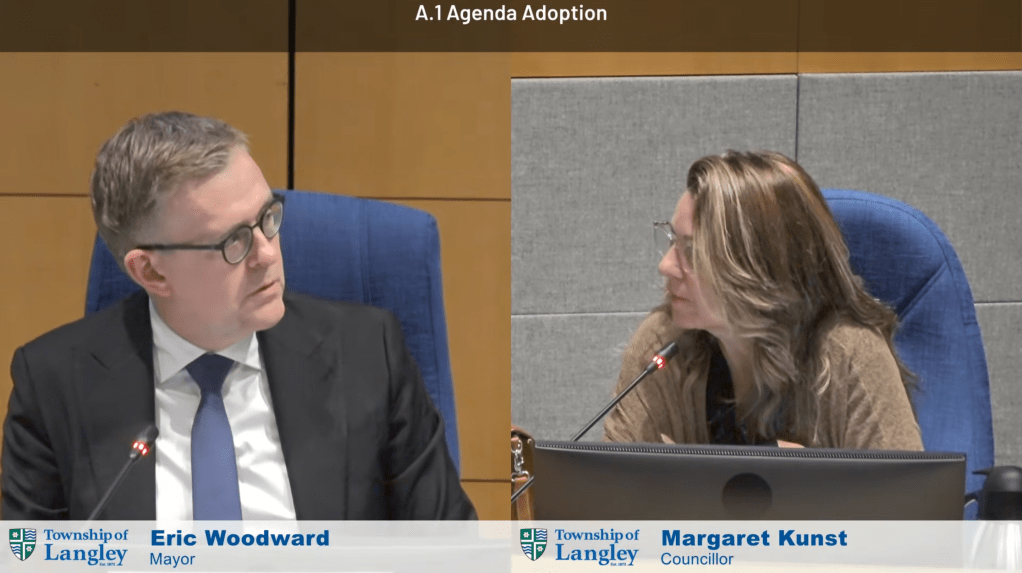
On July 21, council confirmed Langley Township will pay to send four councillors to this year’s Union of BC Municipalities convention. The funded list is Mayor Eric Woodward, and councillors Steve Ferguson, Tim Baillie, and Michael Pratt. Councillors Margaret Kunst and Barb Martens said they will still go, but at their own expense, after Coun. Kim Richter’s attempt to add them was ruled out of order. Ferguson said it had nothing to do with gender. Woodward said the three councillors know why they are not going, and that he would explain in due time. UBCM runs September 22 to 26 in Victoria.
This is not a one-off travel dispute. It follows last year’s shift in Metro Vancouver appointments that left Langley Township with an all-male slate in regional roles. Those seats matter. They affect transit, utilities, parks, climate files, and they come with daily stipends. Appointments are typically made at the mayor’s recommendation, which concentrates influence. Martens lost multiple regional assignments after breaking with the mayor on a neighbourhood plan. Kunst has also voted outside the mayor’s camp. Their exclusion from the funded UBCM list seems to fit a pattern our readers will recognize.
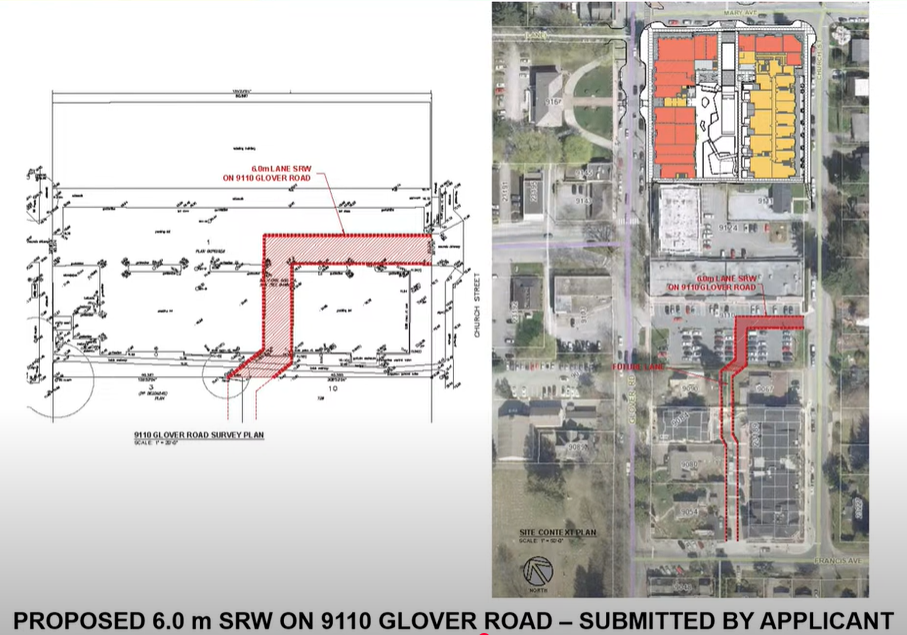
At the same time, residents are asking for clarity on a major file tied to the mayor’s foundation. On June 23, council gave first, second, and third reading to Zoning Bylaw No. 6134 for the Fort Langley site at Glover, Mary, and Church, increasing homes from 47 to 76 and replacing second floor office space with housing. Woodward declared a conflict and left the chamber. Acting chair Michael Pratt ran the item, and it passed 4 to 3, with Kunst, Martens, and Richter opposed. Staff said the plan meets parking requirements. Provincial housing changes remove public hearings for many rezonings that do not change the Official Community Plan, which is one reason this file advanced without a hearing. A published letter now asks for projected profits at Fort Langley Properties Ltd., which the foundation describes as its business arm, and for a timeline showing when community contributions tied to those profits will actually flow.
Taken together, these stories appear to be about control. Who gets in the rooms where relationships with ministers are built, and who gets left to watch from the gallery? Who decides which voices make it to regional boards, and who has to justify paying their own way to a conference that sets municipal priorities? Who has firm answers on a foundation-linked development, and who has to write letters to find out? Each of these questions may have legal implications of its own. Stacked together, they point to a style of governing that narrows participation and keeps the public working for the basics.
Four men get out tax dollars, two women pay their own way, and we are still waiting for answers on a foundation-linked project. The same people are controlling the seats, the conference delegations, Metro Vancouver assignments, and the information flow. That is the story so far. What happens next will determine whether that control is used to open the doors or keep them shut.




 The Langley Monitor
Leave a comment