Last time, we asked who was watching Langley Township. This time, we ask what they’re watching grow: a payroll budget swelling faster than the population it serves. Since 2022, the Township has increased its employee compensation budget by more than $23 million. Those numbers reflect more than routine growth. They tell a story of churn, costly exits, and unchecked decisions, with taxpayers left footing the bill and asking when accountability will finally show up to work.
The Salaries, Wages and Benefits line item in Langley’s budget has surged under Mayor Woodward:
- 2022: $96.8 million
- 2023: $105.1 million
- 2024: $114.1 million
- 2025: $120.4 million
That is a $23.6 million increase over three years. The Township’s population has grown by about 11% during that time, adding roughly 8,000 residents per year. Inflation, meanwhile, has cooled:
As the population grows, so does the tax base. That means tax increases should reflect inflation only. Yet Mayor Woodward passes tax hikes that consistently outpace both inflation and reason.
Even combined, population and inflation trends don’t justify the Township’s surging payroll costs. Residents aren’t seeing dramatic improvements in services. No large groups of new hires have been noted either. From the outside, nothing looks different except the tax bill. Picture a staircase where each step costs millions, but leads taxpayers in circles. It is hard to tell if we are climbing or just going in loops.
Part of that might come down to new hires or wage adjustments. But a large share of the cost is less visible. Severance payments do not appear as a separate item in the Township’s financial plans. They are tucked into the broader salaries and benefits envelope.
And that envelope is growing fast.
As we reported last September, longtime General Manager Ramin Seifi received nearly $500,000 in salary continuance after being dismissed. Shannon Harvey-Renner, who led the Township’s HR department for over two decades, was paid more than $345,000 to leave. Four senior fire officials received a combined $426,000. Others, including the former CAO and senior planning and legal staff, exited with sizeable packages.
These are not normal severances. Many were salary continuances that paid full wages for up to 24 months after termination. Some of those individuals are now working elsewhere while still collecting Township paycheques. That means taxpayers are paying two people for one job. One is in the office while the other could be suntanning by Osoyoos lake.
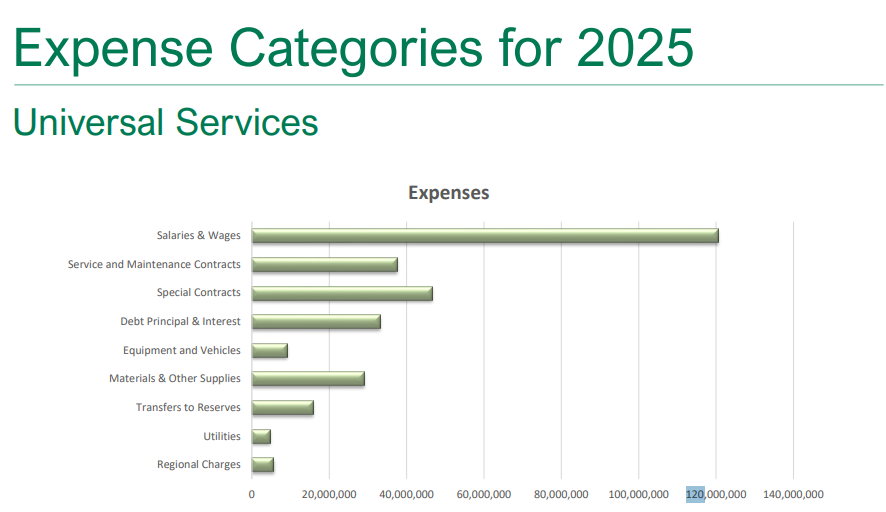
This is all technically legal. But it is also a choice, and it is an expensive one.
Payroll is now the Township’s single largest operating expense. Township documents for 2025 state that salary costs are the top financial pressure across most departments.
When employee compensation rises $23 million in three years and severance payments are scattered across the books like loose receipts, it is fair to ask: who is watching the watchlist?




 The Langley Monitor
Leave a comment