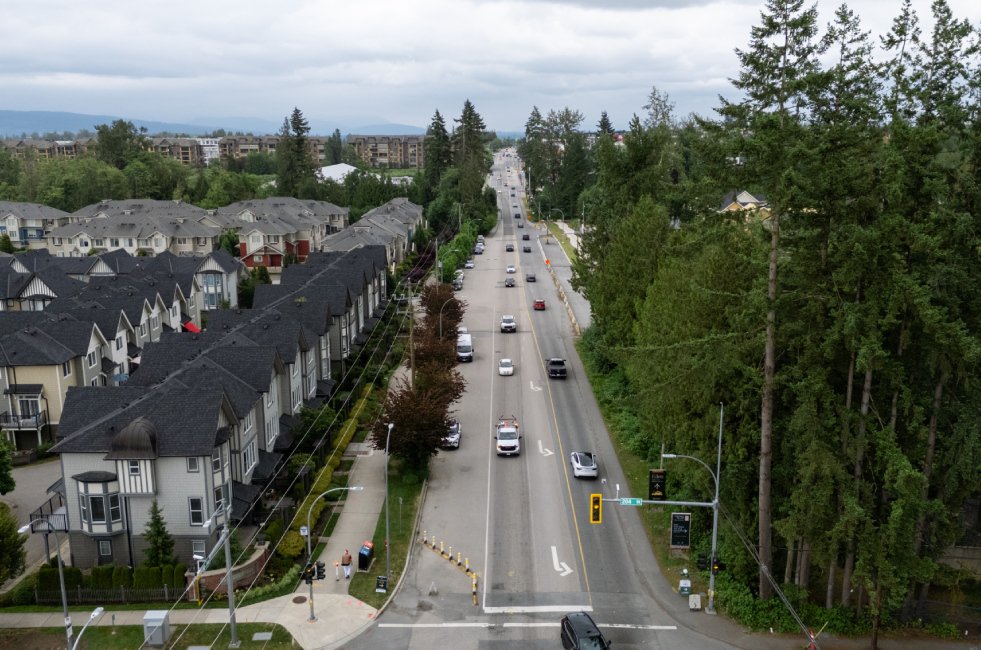
Spring 2025 brought Langley Township homeowners an unexpected gift from the mayor’s office: a brand new utility bill. For the first time in decades, residents received a separate invoice for water, sewer, and garbage services. Due July 2, the new bill landed with little fanfare, even less explanation, and a whole lot of frustration.
The fees themselves aren’t new. But the way they’re charged is. For years, these flat-rate utility charges were included in annual property tax bills. In October 2024, Council voted to scrap the old system, with the change sailing through under a bland agenda item labeled “Obsolete Policies.”
Mayor Eric Woodward has since pitched it as a win for fairness and modernization. But to many residents, it looked more like a cash-flow shuffle dressed up in municipal buzzwords.
Only one councillor, Kim Richter, voted against the change. She warned Council it would cause confusion and hardship, especially for seniors and young families. At the time, she wasn’t alone in her concern. Councillor Barb Martens also questioned the timing and lack of transparency.
Fast forward to the spring rollout, and residents were blindsided. Social media lit up with comments ranging from irritated to furious.
“A little warning would have been nice,” wrote one woman on Facebook. “Getting a surprise bill in the mail when families are already struggling is unacceptable.”
Councillor Richter, never one to mince words, shared the original council policy document that was quietly killed. “Is this what transparency looks like?” she asked. Her post, widely shared, pointed out that under the old system, utility costs could be deferred along with property taxes, which was vital relief for seniors on fixed incomes. Now? No deferral, no warning, just a separate bill and a 10 percent late penalty if you miss the July 2 deadline.
“We used to make one lump-sum payment through our mortgage,” another resident wrote. “Now we have to come up with extra cash out of nowhere.”
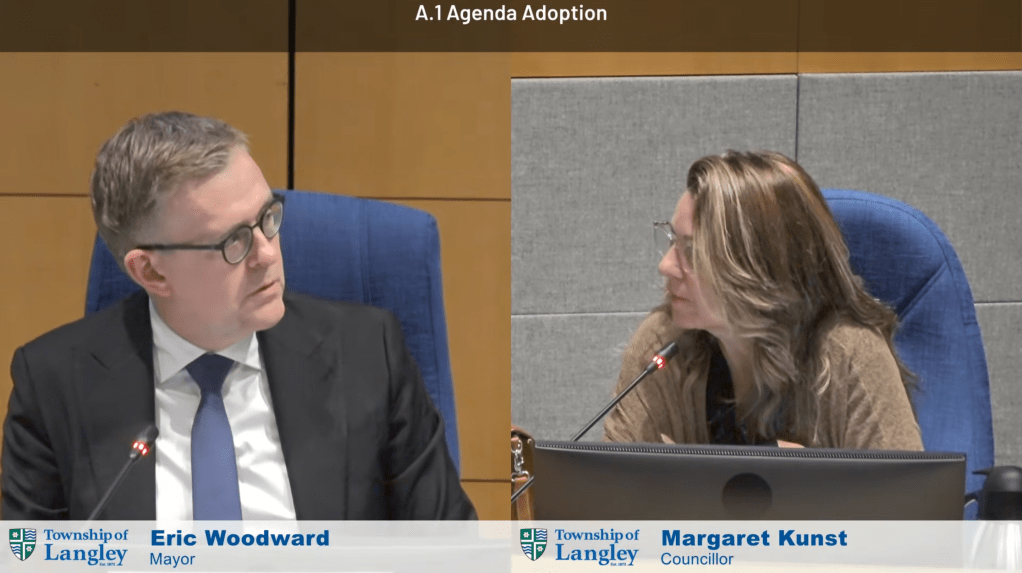
Facebook comment threads quickly turned into a digital town hall. One man quipped, “When’s the next election? We need some change around these parts.” Woodward’s reply: “October 18, 2026.”
Another commenter suggested that, with the Woodwardian majority, meaningful debate on Council had gone the way of the rotary phone. Woodward’s response? A familiar one: “Will be interesting to review all that we have managed to accomplish… versus 12 years of so little getting done.”
Even Woodward admitted the Township dropped the ball on communication. That hasn’t stopped him from pushing a talking point that’s become something of a classic in local Facebook debates: that most residents didn’t even know they were paying for utilities on their tax bill in the first place. To which several seniors, single moms, and people who actually read their tax bills replied, “We did.”
At the heart of the policy is a shift toward voluntary water metering. Woodward argues that metering is fairer. If you use less, you pay less. And that may be true for those who understand the program, install a meter, and track their usage.
But in the meantime, the policy change creates more work and confusion for everyone else. Two big bills instead of one. More paperwork. More deadlines. Less clarity. All for the same services. As Councillor Richter put it, the new system “adds to the burden of taxpayers, especially those on fixed incomes, single-parent households, and young families.”
Perhaps the most striking part of the story is how it unfolded, not through bold policy discussion or public consultation, but through a routine council vote tucked inside a file of “obsolete” paperwork. Woodward said the change was about fairness. He said it was about modernization. He said people didn’t even know they were paying for utilities on their tax bill. Then he handed them a separate one.
If the mayor wanted to give residents more control over their household costs, he might’ve started by warning them the old system that gave them predictability was being scrapped. In the meantime, Langley homeowners have been left with more paperwork, fewer options, and a new entry in their spring budgeting checklist.




 The Langley Monitor
Leave a comment