The Township of Langley faces a pivotal moment as its housing strategy for the foreseeable future is being formulated. Much like other jurisdictions, the Township is confronting the housing crisis as is evident from the 2024 Interim Housing Needs Report, which lays bare the urgent need for housing. However, political squabbling threatens to overshadow decisive action. The Report reveals a critical level of need for housing, projecting the need for 14,121 units in the next 5 years and 43,039 new units needed over 20 years.
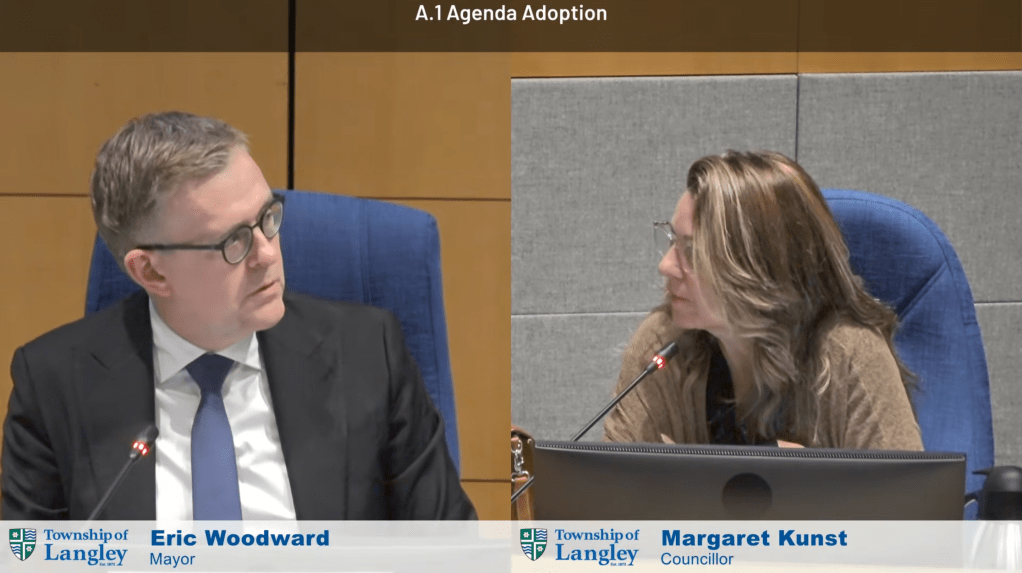
The report sparked mixed reactions among council members. Councillor Martens framed the findings as a stark wake-up call, pointing out the staggering 11,392 people experiencing homelessness across Metro Vancouver, with 572 in the Township alone. She called for increased support for vulnerable residents, especially during harsh weather conditions. In contrast, Mayor Woodward’s response was more of a deflection than a call to action. He took aim at the provincial government, accusing the province of unfairly shifting the burden of the housing crisis onto municipalities. He dismissed Martens’ comments and expressed frustration with the province’s updated methodology for defining homelessness, which he claimed inflates the numbers.
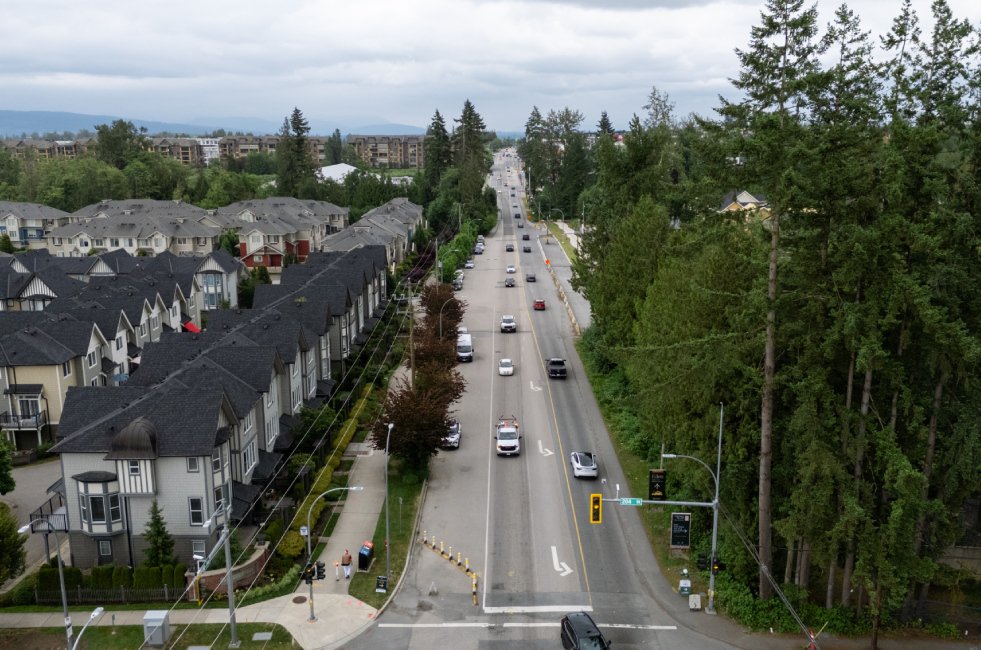
Immediately following the discussion about Langley’s housing needs, Council unanimously passed an upzoning motion for Langley’s 200th Street corridor. On the surface, this aggressive “carpet-bomb” style rezoning might appear to signal progress. However, the timing and approach raises eyebrows. Langley’s housing needs require a serious plan, not a quick bandage. Mayor Woodward’s approach to the housing crisis, marked by blame-shifting and dismissiveness, brings into question his commitment to meaningful solutions. With thousands of residents in desperate need of housing, the residents of Langley cannot afford to let political games take priority over progress. The time for decisive, collaborative leadership is now.
During the discussion, Woodward interrupted Councillor Pratt to air his grievances against the province’s mandated housing targets again. He estimated that the Township needs an additional 7,800 units within five years to meet expectations, but his tone was more defeatist than determined. “When we do not meet that target, we will be put on the naughty list,” he mocked, leaving some to question his seriousness about achieving real results. When he was eventually allowed to ask his question, Pratt highlighted that the term “close proximity” was not properly defined in the rezoning motion. This is a valid concern. Without specifying this term, Council risks approving the building of a neighbourhood without access to important services like public transit. Mayor Woodward appeared unconcerned by the vagueness of the concept, abdicating his decision-making duties and leaving the consequences for others to grapple with.
The data, based on updated provincial guidelines, highlights six key components of demand. These include:
- 1,808 units to address extreme core housing needs (households spending over 50% of income on housing)
- 572 units for residents experiencing homelessness
- 2,712 units to alleviate suppressed household formation caused by inadequate housing supply.

Anticipated population growth accounts for the bulk of the need, requiring 31,018 units over 20 years. Additionally, the report identifies a need for 194 units to increase rental vacancy rates to 3%, a level considered healthy for the housing market, and 6,734 units as a demand buffer to accommodate local preferences and reduce market strain.

Langley has facilitated 8,280 housing starts since 2020 but is facing both market and political pressure to deliver more.
Mayor Woodward’s approach to Langley’s lack of housing is testament to his lacking commitment to meaningful solutions to the housing crisis. Langley Township is already one of the fastest growing communities in the province and, evidently, requires much more housing. Most importantly, Langley needs a mayor who responds to a reported lack of housing by facing the problem and proposing viable solutions – not one who is dismissive and shifts blame.




 The Langley Monitor
Leave a comment